Biryani Ingredients: What You Need for Authentic Flavor
When you think of biryani ingredients, the core components that define the layered, aromatic rice dish from India. Also known as biryani spice mix, it's not just about tossing rice and meat together—it’s about building depth, one layer at a time. This isn’t a one-pot wonder. Real biryani is a slow dance of toasting spices, marinating meat, soaking rice, and stacking flavors until they melt into each other. Skip even one key piece, and you’re not making biryani—you’re making a rice bowl with spices.
At its heart, biryani needs three non-negotiables: basmati rice, long-grain rice that stays separate and fragrant when cooked, yogurt marinade, a tenderizing mix that adds tang and helps spices cling to meat, and a blend of whole spices like cardamom, cloves, and cinnamon. These aren’t optional garnishes—they’re the foundation. You can swap chicken for lamb, use potatoes instead of peas, but if your rice isn’t basmati or your spices aren’t toasted properly, you’ll taste the difference. Even the water you use to cook the rice matters. Hard water? It’ll make your grains tough. Soft water? Perfect.
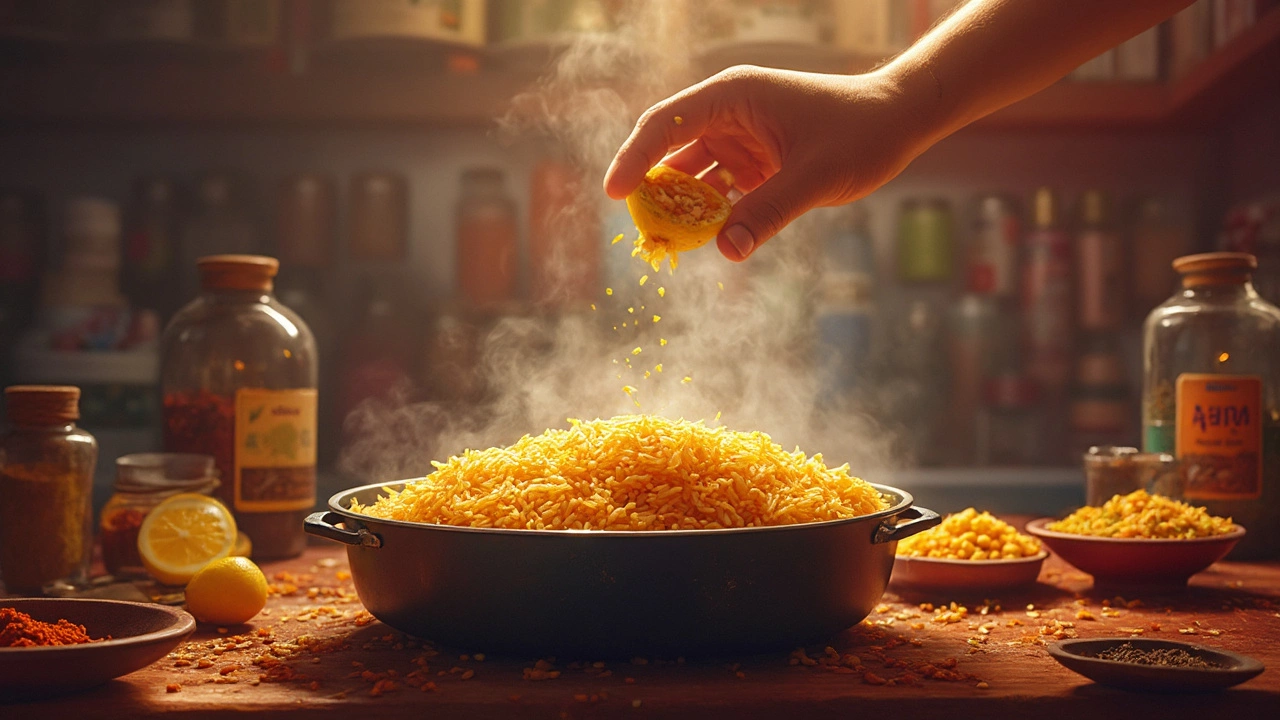
Then there’s the magic touch: saffron, the world’s most expensive spice, used in tiny threads to color and perfume the rice. A pinch soaked in warm milk, drizzled over the top before sealing the pot—that’s what turns good biryani into something people remember. And don’t forget the fried onions. Not just for color, but for crunch and sweetness that cuts through the richness. Many think they’re decorative. They’re not. They’re structural.
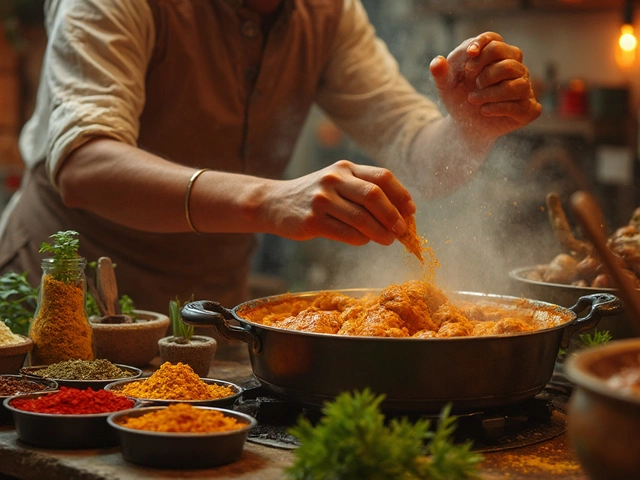
What you won’t find in real biryani? Curry powder. Tomato paste. Heavy cream. Those are shortcuts from restaurants trying to make it faster. Traditional biryani gets its depth from slow-cooked onions, whole spices bloomed in ghee, and the steam trapped under a tight lid—not from bottled sauces. The spices are toasted, ground fresh, and layered. The meat is marinated overnight. The rice is parboiled, not boiled to mush. It’s not hard, but it’s deliberate.
If you’ve ever made biryani and it tasted flat, it’s not your stove. It’s your ingredients. Maybe your rice was short-grain. Maybe your cumin was old. Maybe you skipped the rose water. These aren’t just flavors—they’re signals. Each one tells your tongue this is real. And that’s why people come back for it. Not because it’s spicy. Not because it’s fancy. But because it’s built to last.
Below, you’ll find real tips from people who’ve made biryani for decades—not just once, but every Eid, every wedding, every Sunday dinner. You’ll learn how to pick the right rice, when to add the saffron, why yogurt matters more than oil, and how to fix a dry biryani without starting over. No fluff. No guesswork. Just what works.