Best Vegetarian Indian Dish: Top Flavors, Recipes, and Why They Work
When people ask for the best vegetarian Indian dish, they’re not just looking for something tasty—they want something that feels like home. Vegetarian Indian cuisine, a rich, diverse system of plant-based cooking rooted in regional traditions, religious practices, and seasonal eating. Also known as Indian vegetarian food, it’s not just about skipping meat—it’s about making vegetables, lentils, dairy, and spices shine in ways that satisfy every meal of the day. India has over 400 million vegetarians, more than any other country, and for good reason: the food is full of protein, fiber, and deep, layered flavors without needing meat.
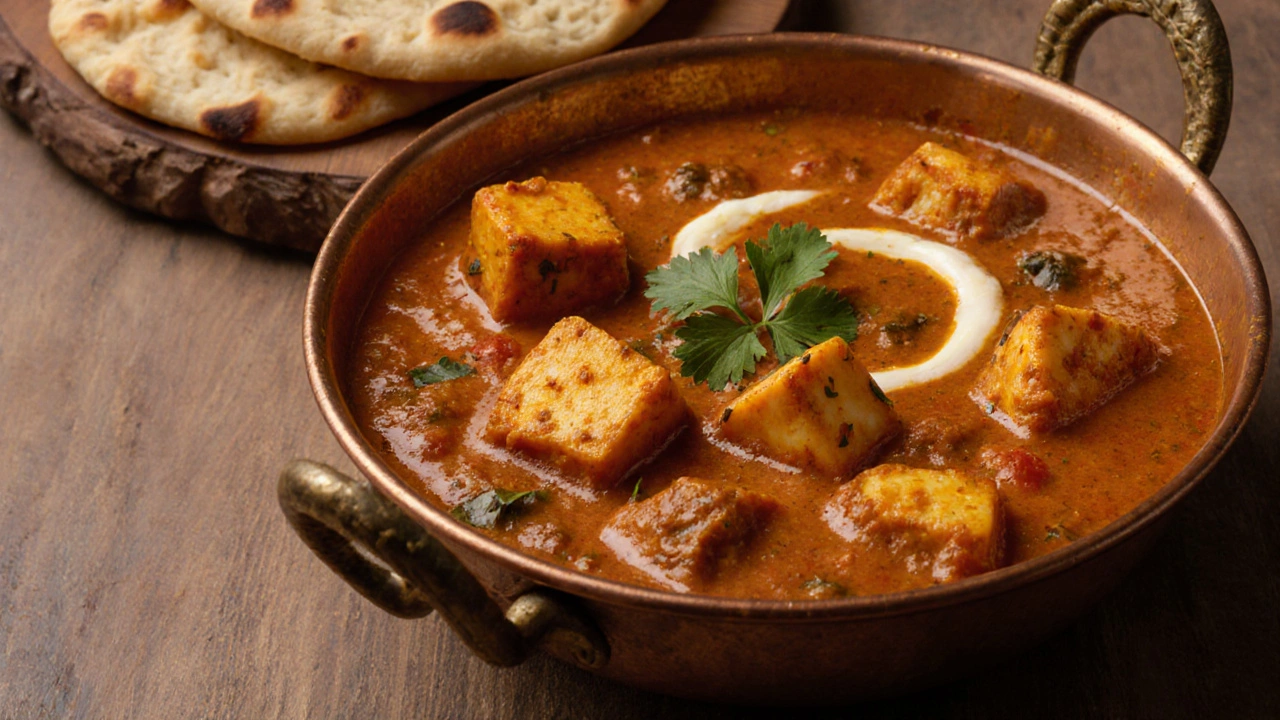
What makes a dish truly stand out as the best? It’s not just about spices. It’s about texture, balance, and how well it fits into daily life. Take dal tadka, a simple lentil stew tempered with cumin, garlic, and dried chilies. Also known as tadka dal, it’s the most common everyday meal in Indian homes—from rural villages to city apartments. It’s cheap, quick, and packed with plant protein. Then there’s paneer, a fresh, homemade cheese that soaks up spices and holds its shape in curries, grills, or stir-fries. Also known as Indian cottage cheese, it’s the star of dishes like paneer tikka and paneer butter masala, offering a creamy bite that’s satisfying without being heavy. These aren’t fancy restaurant dishes. They’re the backbone of Indian kitchens.
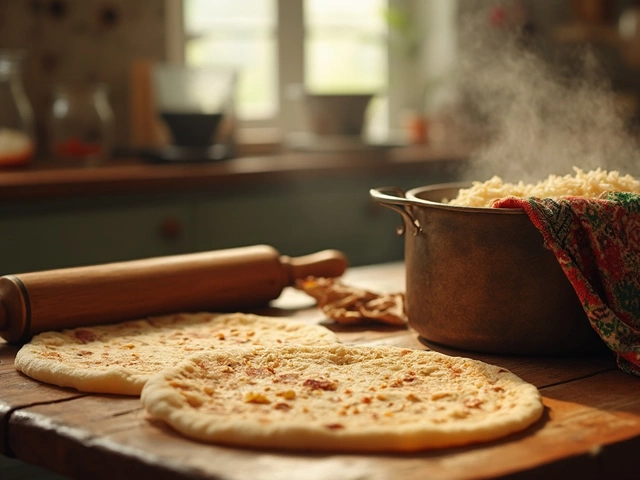
And it’s not just curries. Some of the most beloved vegetarian Indian dishes don’t have sauce at all. Think crispy dosa with coconut chutney, fluffy roti pulled apart with garlic pickle, or spicy lemon rice that tastes like sunshine. These dishes prove that Indian vegetarian food isn’t defined by thick gravies—it’s defined by smart combinations of texture, heat, tang, and aroma. You don’t need a wok or a tandoor. Just a good stove, some basic spices, and the willingness to let ingredients speak for themselves.
What you’ll find in the posts below isn’t a list of top 10 dishes. It’s a real look at what works—why certain recipes repeat in homes across India, what mistakes people make when cooking them, and how to fix them. You’ll learn how much milk you actually need to make paneer, why soaking dal matters more than you think, and which oil gives you the crispiest dosa. There’s no fluff. Just the facts, the fixes, and the flavors that keep people coming back.