Should You Rinse Yogurt Marinade Before Cooking Tandoori Chicken?
Learn why rinsing a yogurt marinade before cooking tandoori chicken is usually a bad idea, and get step‑by‑step tips for juicy, flavorful results.
When you're cooking Indian food, a diverse, region-specific cuisine built on spice, technique, and tradition. Also known as home-style Indian cooking, it’s not about following rigid rules—it’s about understanding how heat, time, and ingredients interact to create flavor. Too many people think Indian cooking is complicated because they’ve seen fancy restaurant dishes. But the truth? Most of the best Indian meals are made in small kitchens with basic tools—and they taste amazing because of smart cooking tips, practical, tested methods that fix common mistakes and improve texture, taste, and speed. These aren’t tricks. They’re the little things that separate good food from great food.
Take roti, a simple flatbread that’s the backbone of Indian meals. It’s supposed to puff up like a balloon, but if it doesn’t, it’s not because you’re bad at rolling—it’s because the dough isn’t rested, or the tava isn’t hot enough. The shape isn’t tradition—it’s physics. Same with dosa, a fermented crepe that needs the right oil, the right batter consistency, and the right heat. Coconut or groundnut oil? Yes. Olive oil? No. And fermentation isn’t a suggestion—it’s non-negotiable. Skip it, and you get a flat, rubbery mess. Then there’s paneer, fresh cheese that turns rubbery if you don’t marinate it or cook it at the right temperature. It’s not the cheese’s fault—it’s the method. Even something as simple as dal, lentils cooked with spices and tempered with mustard seeds, needs soaking and timing. Soak it too little? You’ll chew through hard lentils. Soak it too long? They turn to mush. The right soak time makes the difference between a bland bowl and a creamy, comforting one. And don’t even get started on biryani, a layered rice dish where the secret isn’t more spices—it’s resting the pot after cooking. Let it sit for 20 minutes, and the steam redistributes the flavor. Skip that, and you’ve got dry rice and cold spices.
You don’t need a fancy kitchen or 15 spices you’ve never heard of. You need to know when to heat the oil, how long to toast cumin, why yogurt matters in marinades, and why sugar isn’t always sugar in Indian sweets. These are the cooking tips that actually stick. They’re the ones used in homes across India—not just in food blogs. Below, you’ll find real answers to real problems: why your chicken turns black inside, how much milk you really need for paneer, what oil makes dosa crispy, and why soaking dal isn’t optional. No fluff. No theory. Just what works.
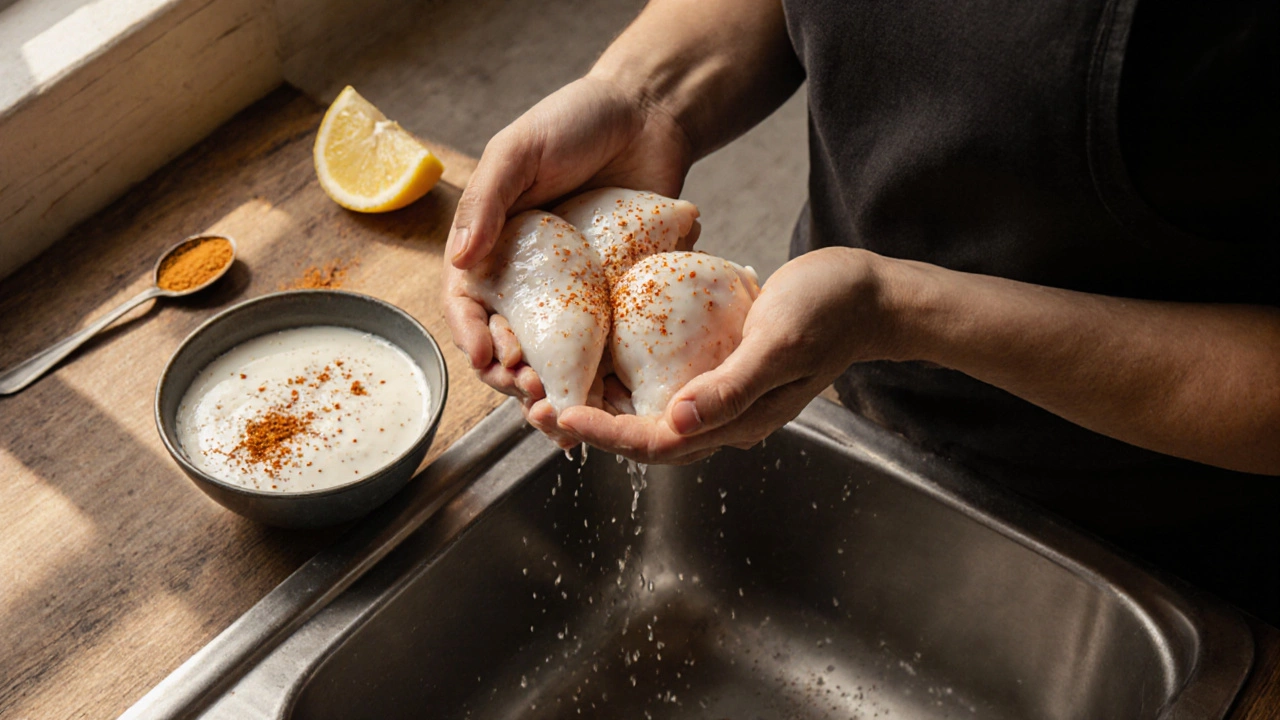
Learn why rinsing a yogurt marinade before cooking tandoori chicken is usually a bad idea, and get step‑by‑step tips for juicy, flavorful results.
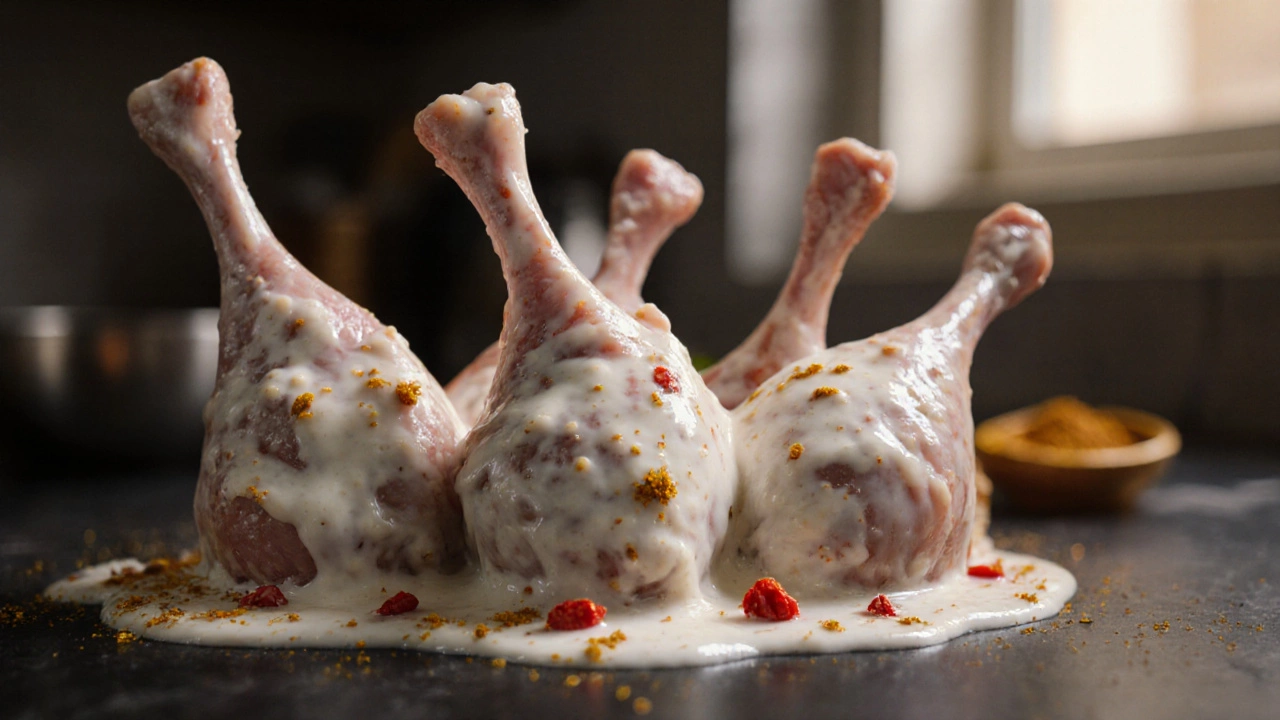
Discover the science behind ultra‑tender tandoori chicken, learn the perfect yogurt marinade, cooking methods, step‑by‑step recipe, and troubleshooting tips.
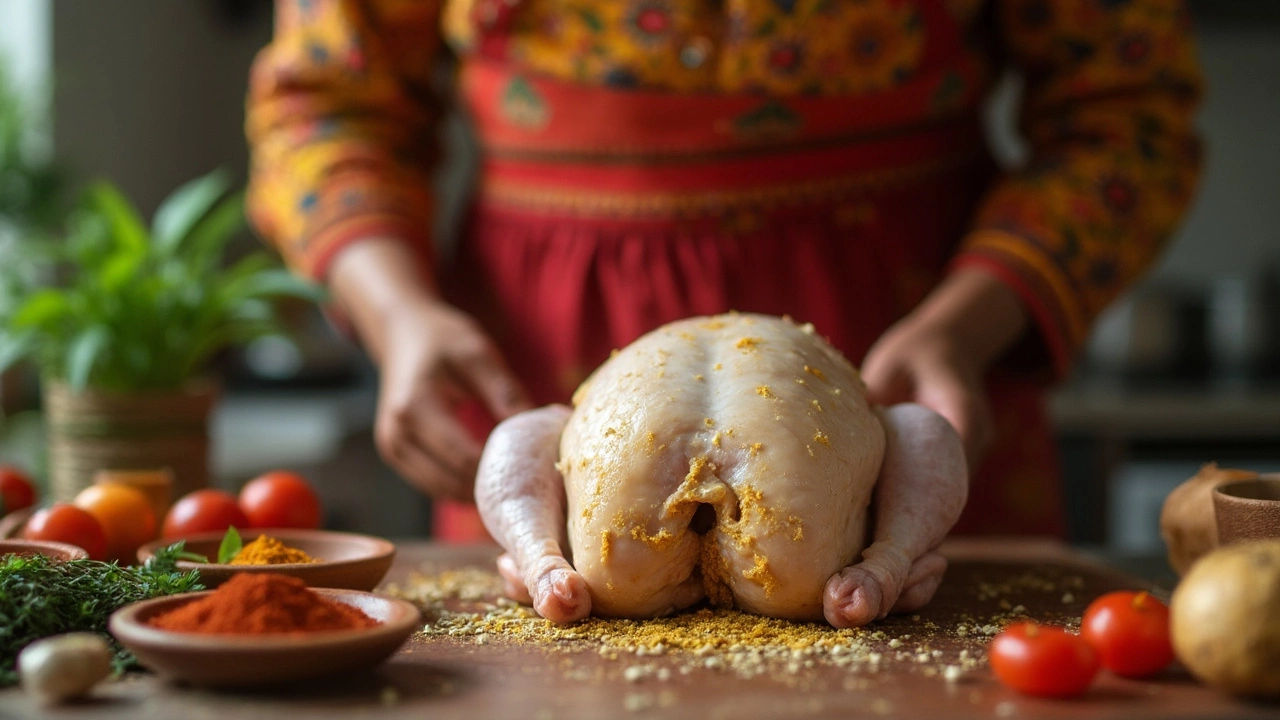
Wondering about the yellow stuff in your chicken’s mouth before you start your tandoori recipe? You’re not alone. This article breaks down what the yellow slime or residue actually is, explains whether your chicken is safe to cook and eat, and shares some real kitchen tips to help you deal with it. We’ll also cover how to check for freshness and prep your chicken the right way for that perfect tandoori flavor. Get ready to cook smarter and avoid kitchen surprises.

Frustrated with rubbery, tough chicken in your curry? This article digs into the top reasons your chicken ends up chewy and how to fix it. You’ll learn which chicken cuts stay soft, why timing matters, and the biggest mistakes home cooks make. Get simple tips for marinating and cooking chicken that guarantee a juicy result every time. No more disappointing curries—just flavorful, tender chicken in every bite.

Biryani is a beloved dish enjoyed around the world, but how can you make it even more flavorful? Discover essential tips and tricks to enhance the taste of your biryani using better spices, fresh ingredients, and cooking techniques. Learn about the importance of marination, choosing the right rice, and how to layer your ingredients for maximum impact. Whether you're a seasoned cook or new to the kitchen, make your biryani unforgettable.

Cooking lentils can be straightforward once you know the basics. In this article, get insight into how long different kinds of lentils need to cook so they turn out perfectly every time. You'll also discover handy tips, timing tricks, and fascinating facts about these nutritious legumes. Whether you're whipping up a simple dal or experimenting with a new lentil dish, understanding the cooking times can make all the difference.
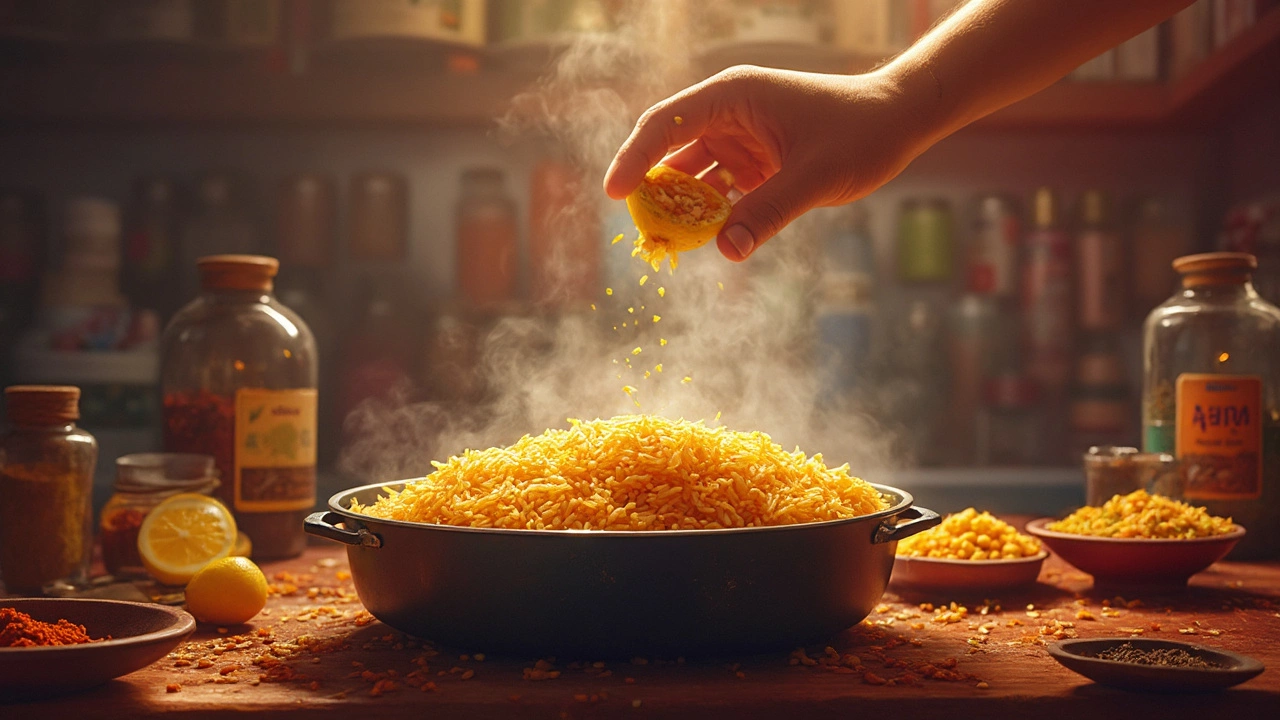
Ever wondered why a splash of lemon makes your biryani taste fantastic? Adding lemon doesn't just enhance flavors; it balances spices, lifts the aroma, and adds a refreshing twist. This article explores the fascinating reasons why lemon is a crucial ingredient in biryani. Discover practical tips for its usage and how this simple addition can make a world of difference to your dish.

Ever wondered what to do with the leftover whey after making paneer at home? Instead of discarding this nutrient-rich liquid, explore creative ways to incorporate it into your cooking and baking. Discover delicious recipes, sustainability tips, and how whey can contribute to a more eco-friendly kitchen. Embrace the potential of whey and transform it into a valuable ingredient.

Roti making can be intimidating if you're unsure about the basics, like how much flour to use. Understanding the right flour quantity is crucial to achieving that soft, perfectly round roti we all crave. This article delves into precise measurement tips, essential for beginners and masters alike. By the end, you'll be ready to make flawless rotis with confidence.
Discover a range of ingredients and condiments that can serve as a delightful substitute for chutney in your favorite dishes. From tangy salsas to sweet jams, learn how to create flavorful alternatives with ingredients you already have at home. Explore creative condiment pairings that will enhance your meals and provide a new twist on classic flavors. Get inspired with practical tips and ideas for those moments when chutney is nowhere to be found in your pantry. This exploration will open up a world of culinary possibilities for those who love creativity in the kitchen.