Indian Desserts: Sweet Treats from Every Region of India
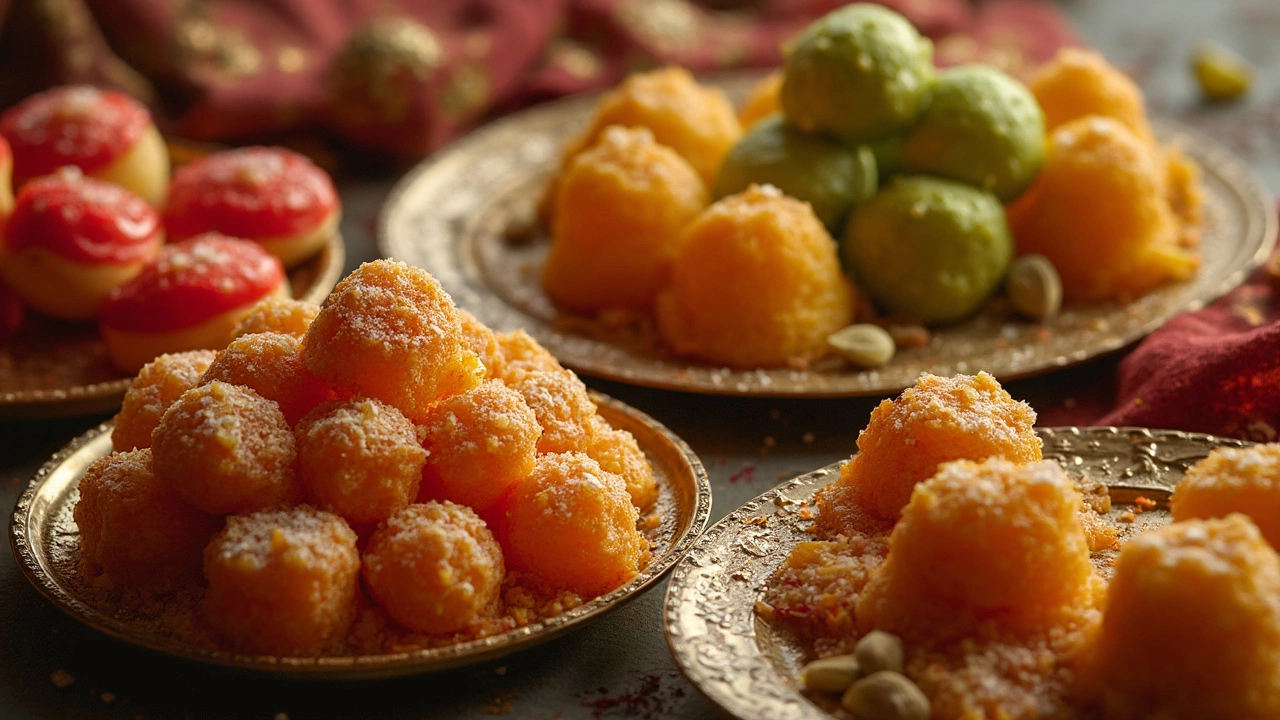
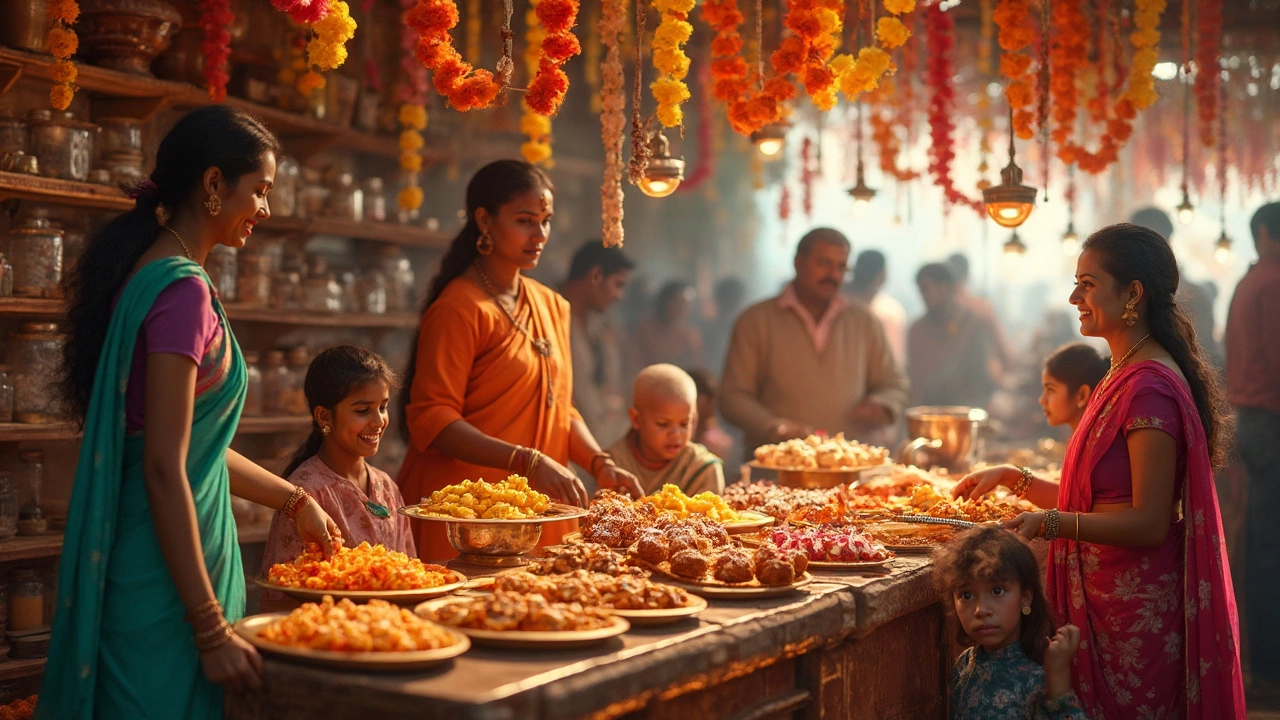
When you think of Indian desserts, a vibrant, sugar-dusted array of sweets made with milk, lentils, flour, and jaggery, deeply tied to festivals, family, and tradition. Also known as mithai, these treats aren’t just snacks—they’re the heart of celebrations, from Diwali to weddings, and the quiet comfort of an after-dinner bite. Unlike Western cakes or pies, Indian desserts often rely on slow-cooked milk (khoya), soaked lentils, or fried dough soaked in syrup. They don’t need ovens. They don’t need buttercream. What they need is time, patience, and the right sweetener.
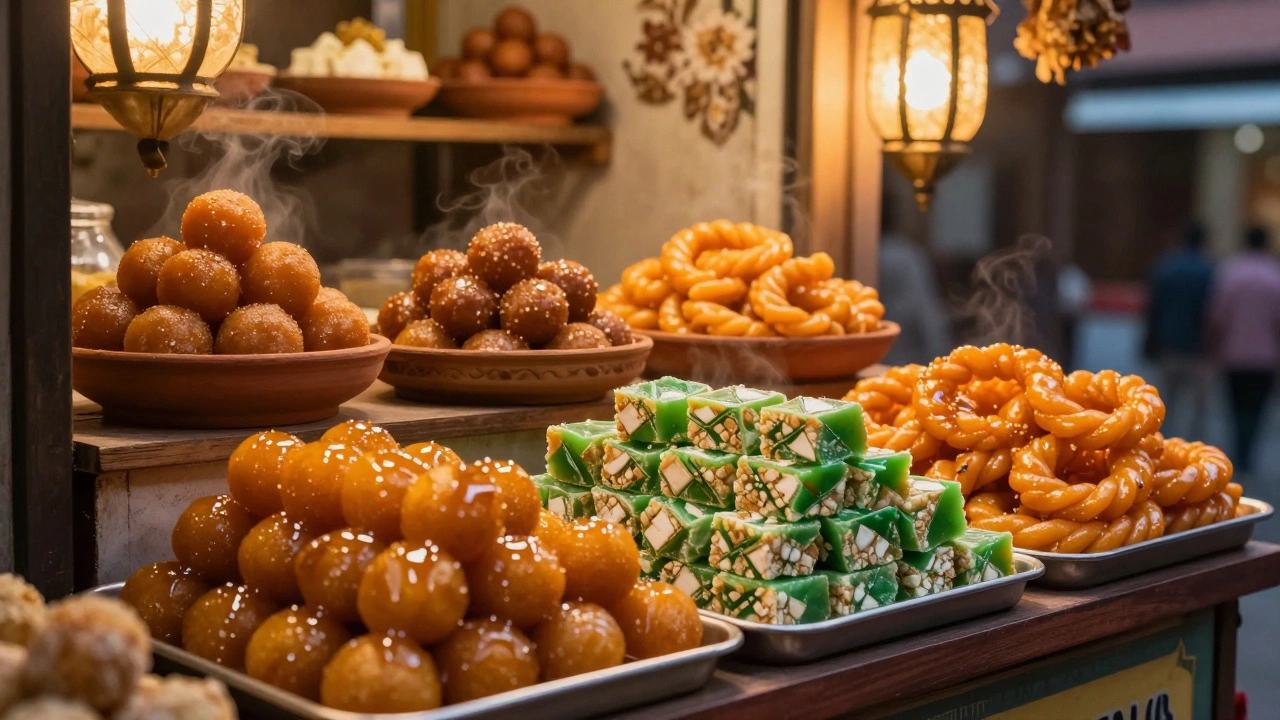
Take jaggery, an unrefined cane sugar used in South Indian sweets like mysore pak and Tamil Nadu’s adhirasam. It gives a deep, earthy sweetness that white sugar can’t match. Then there’s sugar syrup, the sticky, boiling liquid that transforms fried dough into jalebi or soaks rice flour balls to make gulab jamun. Substituting it with honey or maple syrup? You’ll change the texture, the shelf life, and the soul of the dessert. Even the milk matters—full-fat, slow-reduced milk makes paneer-based sweets like rasgulla tender and melt-in-your-mouth. Use low-fat milk, and you get rubbery, bland results.
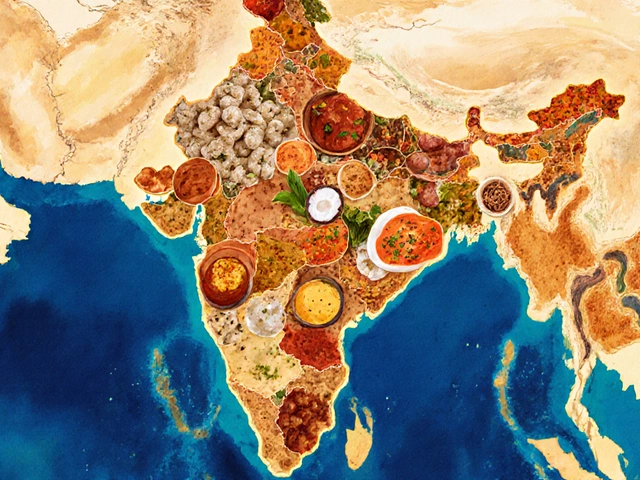
Every state has its signature. Bengal loves sandesh made from chhana. Gujarat swears by undhiyu ki mithai. Punjab’s phirni is chilled rice pudding with cardamom. And in the South, payasam made with jaggery and coconut milk is served at temple feasts. These aren’t just recipes—they’re regional identities wrapped in sugar. You won’t find a single Indian dessert that uses the same method across the country. The tools differ: clay pots for slow cooking, hand-pounded spices, copper kadhai for syrup. The timing matters too: fermenting batter for jalebi, resting khoya overnight, letting syrup reach the right thread consistency.
What you’ll find in these posts isn’t just how to make rasgulla or barfi. It’s why the sugar in your mysore pak must be boiled to 115°C, why coconut oil is better than ghee for some dosa-based sweets, and why skipping the soaking step for chana dal in kheer leaves you with gritty, undercooked bites. These aren’t tricks. They’re rules passed down through generations. And if you’ve ever wondered why your homemade gulab jamun didn’t soak up syrup? The answer’s in the dough’s texture, not the syrup’s sweetness.
Below, you’ll find real, tested guides from people who cook these sweets every day—not food bloggers with fancy cameras. Learn what sugar to use, how to fix broken syrup, why some sweets turn out hard, and which desserts actually taste better the next day. No fluff. No filler. Just the facts that make Indian desserts unforgettable.